

In today’s digital age, our mobile devices have become more than just phones — they’re our wallets, our diaries, our offices, and even our entertainment centers. From personal photos and financial information to business emails and health data, everything lives inside these small devices. Because of this, mobile device security is no longer a luxury or a technical concern — it’s a basic necessity for every individual
The Rise of the Mobile Era
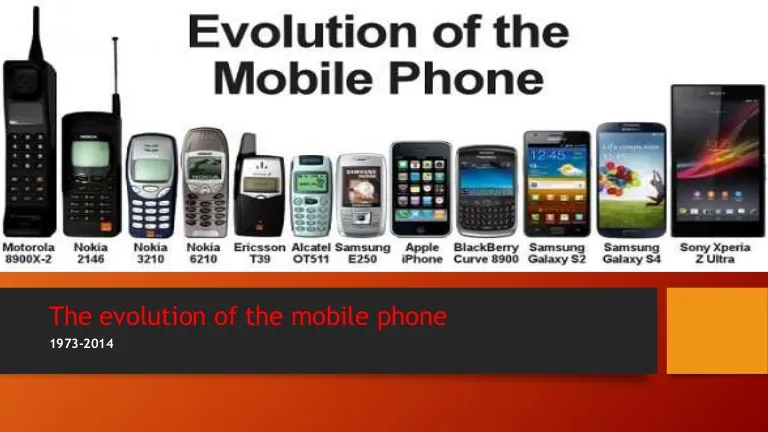
Just a decade ago , a mobile phone was substantially used for calls and textbook dispatches. Now, it’s a important computer that connects us to the entire world. According to colorful reports, over 6 billion people globally use smartphones, and that number continues to rise. We calculate on these bias for online shopping, banking, communication, navigation, and indeed controlling smart home systems.
But with great convenience comes great threat. The more connected we are, the more vulnerable we come to cyber pitfalls. Hackers and scammers are always on the lookout for weak security practices and mobile phones, with their constant internet connection and vast data storehouse, make perfect targets.
Understanding Mobile Device Security
So, what exactly is mobile device security?
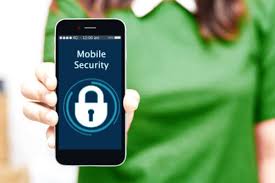
In simple terms, it’s the practice of guarding smartphones, tablets, and other movable bias from digital pitfalls, physical theft, and data breaches. It involves a blend of tackle features, software protection, stoner mindfulness, and good habits.
Think of it like locking your home. You would not leave your door open with your valuables lying around. also, your mobile device also needs cinches — digital bones to keep intruders out.
Why Mobile Security Matters
You might wonder, “ Why would anyone want to hack my phone? ” The truth is, hackers do not need to know you personally. They target people in bulk — frequently through malware, phishing, or fake apps to steal particular data, watchwords, and banking details. Once they’ve access, they can misuse your information or vend it on the dark web.
Then are a many common pitfalls of poor mobile security
- Data theft: Your dispatches, prints, or fiscal data can be stolen and misused
- Identity fraud: Hackers can impersonate you, using your credentials to commit crimes.
- Financial loss:Sensitive data leaks can affect your social and professional life.
- Reputation damage: Sensitive data leaks can affect your social and professional life.
In short, a single security lapse can have serious consequences.
Common Mobile Security Threats
To cover your mobile device, it’s important to understand what you’re guarding it from. Then are some common pitfalls
- Malware and Viruses : Malicious software, or “ malware, ” can infect your phone through suspicious links, fake apps, or unsafe downloads. Once outside, it can track your exertion, steal watchwords, or indeed take control of your device.
- Phishing Attacks: You might admit fake dispatches or emails that look licit — perhaps from a bank or delivery service — asking you to click a link or share particular information. One wrong click can expose your data.
- Unsecured Wi- Fi Networks:Public Wi- Fi in cafes, airfields, or promenades can be parlous. Hackers frequently use these networks to block your data or factory malware.
- App Permissions:numerous apps request access to your connections, camera, or position — occasionally unnecessarily. Granting these warrants carelessly can expose your private data.
- Outdated Software:Ignoring software updates leaves your phone open to given security flaws. Updates frequently patch these vulnerabilities.
- Lost or Stolen Devices:Physical theft is another serious concern.However, anyone can pierce your data, If your phone isn’t secured with a password or biometric lock anyone can access your data.
Essential Tips for guarding Your Mobile Device
Fortunately, mobile device security does n’t have to be complicated. By following stylish practices and maintaining mindfulness, you can significantly reduce your threat. Then are essential strategies for keeping your mobile device safe
- a. Use Strong Passwords and Biometric Locks:-Always secure your device with a pin, password, or biometric lock. Avoid easy- to- guess passwords like birthdays or “ 1234. ” Consider using a Always secure your device with a Leg, word, or biometric cinch( point or facial recognition). Avoid easy- to- guess watchwords like birthdays or “ 1234. ” Consider using a word director to induce and store strong, unique watchwords for different apps and accounts password manager to make an strong, unique passwords for different apps and accounts.
- b. Keep Your Software Updated:-Regularly modernize your operating system and apps to insure you have the rearmost security patches. numerous cyberattacks exploit outdated software vulnerabilities that could have been averted with timely updates.
- c. Use Encryption:-ultra modern smart phones offer encryption features that secure your stored data. Enable full- fragment encryption to cover your lines, indeed if your device is lost or stolen.
- d. Enable Remote Wipe and Tracking:-Both Android and iOS devices offer features to track and ever wipe data if your phone is lost or stolen. Enable “ Find My Device ”( Android) or “ Find My iPhone ”( iOS) in your settings.
- e. Avoid Public Wi-Fi or Use a VPN:-Avoid penetrating sensitive accounts or making fiscal deals over public Wi- Fi.However, connect through a Virtual Private Network( VPN) to cipher your data and hide your exertion from hackers, If you must use public networks.
- f. Be Cautious with Links and Attachments:-noway click on suspicious links or open attachments from unknown senders — whether in emails, dispatches, or social media. Cybercriminals constantly disguise phishing attempts to look licit.
- g. Backup Your Data Regularly:-Regular backups ensure that your information remains safe indeed if your device is compromised or lost. Use pall storage or external bias to keep a secure dupe of your data
- h. Download Apps Only from Trusted Sources:-Only install apps from official stores like Google Play Store or Apple App Store. Avoid downloading from third-party websites or unknown sources, as these are common channels for malware distribution.
- i. Install Security Software:-Consider installing estimable mobile security apps that offer malware scanning, phishing protection, and sequestration controls. numerous trusted antivirus companies offer mobile performances that enhance device protection.
Mobile Security in the Workplace
As further associations borrow remote and cold-blooded work models, mobile device security in professional settings has come critical. workers frequently pierce company data, dispatch, and pall operations through their particular smartphones or tablets — a practice known as Bring Your Own Device( BYOD).
While BYOD improves inflexibility and productivity, it also introduces pitfalls if security measures are n’t executed. Businesses should
- Require device encryption and strong authentication.
- apply security programs using Mobile Device operation( MDM) tools.
- Educate workers about phishing, unsafe Wi- Fi, and app warrants.
- Regularly update and examiner bias connected to company networks.
By maintaining these programs, associations can guard sensitive data while allowing workers to work securely from anywhere.
The Role of Awareness and Education
Technology alone can not guarantee security. mortal error remains one of the biggest contributors to security breaches. numerous druggies intentionally click on vicious links or ignore warnings about unsafe networks. Hence, mindfulness and education are as important as specialized defenses.
Simple habits similar as vindicating links before clicking, locking bias when not in use, and being skeptical of unasked dispatches — can help utmost mobile security incidents. seminaries, companies, and communities should emphasize digital knowledge and responsible use of mobile technology.
The Future of Mobile Security
As mobile bias come more advanced, so do the pitfalls targeting them. Arising technologies similar as 5G, Internet of effects( IoT), and mobile payments will expand the attack face. still, advancements in artificial intelligence, behavioral analytics, and biometric authentication are also enhancing protection.
Future mobile security will calculate heavily on AI- driven trouble discovery, end- to- end encryption, and adaptive security systems that learn from stoner geste . But indeed with these inventions, the stoner remains the first line of defense. rehearsing good cyber hygiene will always be the foundation of mobile security
Conclusion
Your smartphone is a important device that connects you to the world but it also holds the keys to your digital life. guarding it’s n’t simply a matter of convenience; it’s a responsibility. By combining awareness, swish practices, and reliable security tools, you can guard your particular information, finances, and insulation from ever- evolving cyber risks.
